An island nation of extraordinary diversity — where ancient kingdoms, wild jungles, golden beaches and mist-wrapped highlands converge in one breathtaking paradise.
Plan My VisitSri Lanka — the tear-drop shaped island cradled in the warm embrace of the Indian Ocean — is one of the world's most extraordinary travel destinations. Within its compact 65,610 km² lie eight UNESCO World Heritage Sites, twenty-seven national parks, over 1,340 kilometres of coastline, ancient rainforests, mist-laden highland tea estates, sacred Buddhist temples, and a vibrant living culture stretching back more than 2,500 years. Here, sunrise over Sigiriya's lion rock and sunset over Mirissa's whales can be experienced within the same week — such is the wonder of this blessed island.
Sri Lanka's biodiversity is staggering. It is home to the world's highest density of leopards, the largest gathering of Asian elephants on earth, the best blue whale watching in the world, ancient endemic bird species found nowhere else on the planet, and marine ecosystems of breathtaking richness. From the dry-zone scrublands of Yala to the cloud forests of Horton Plains, every ecosystem teems with unique wildlife and wildflowers.
Beyond its natural splendours, Sri Lanka's cultural richness is equally profound. The island has been a crossroads of civilizations for millennia — shaped by Sinhalese kingdoms, Tamil empires, and the colonial legacies of Portuguese, Dutch and British rule. This layering of history has produced an extraordinarily diverse cuisine, a thriving arts tradition, and a warmth of hospitality that has enchanted travellers for centuries. Sri Lanka doesn't just welcome you — it holds you, changes you, and calls you back.
Sri Lanka is home to eight sites of outstanding universal value, each telling a unique chapter of the island's extraordinary story.
A 5th century sky palace rising 200 metres above the surrounding jungle — King Kashyapa's breathtaking royal citadel with frescoes, mirror walls and water gardens.
Sri Lanka's first ancient capital dating to the 3rd century BC — a sprawling archaeological complex of dagobas, royal palaces, and the sacred Bodhi tree.
The medieval royal capital of Sri Lanka, renowned for its magnificent Gal Vihara rock sculptures, Parakrama Samudra reservoir, and Vatadage relic house.
Sri Lanka's last viable area of primary tropical rainforest and a UNESCO biodiversity hotspot, home to hundreds of endemic species of flora and fauna.
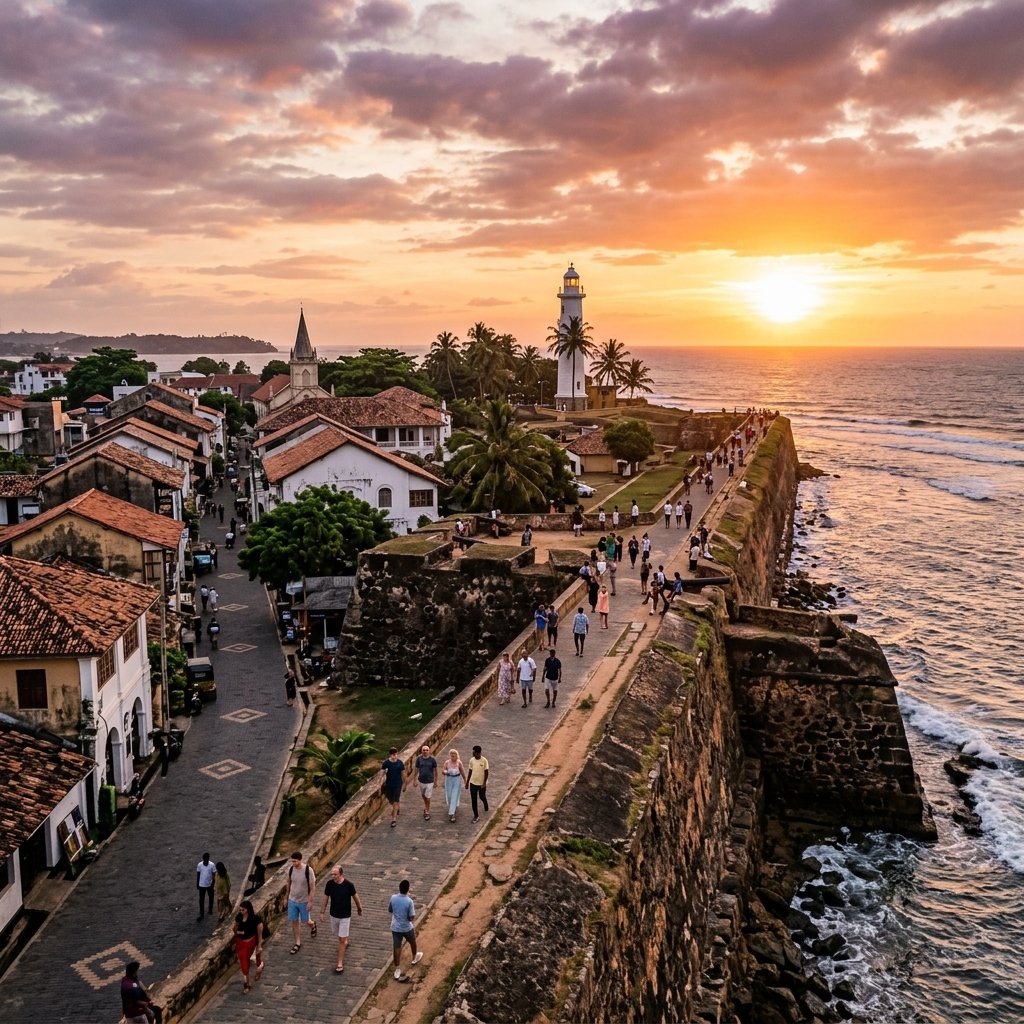
A remarkably preserved Dutch colonial fortification from the 16th century, blending European architecture with South Asian traditions along the southern coast.
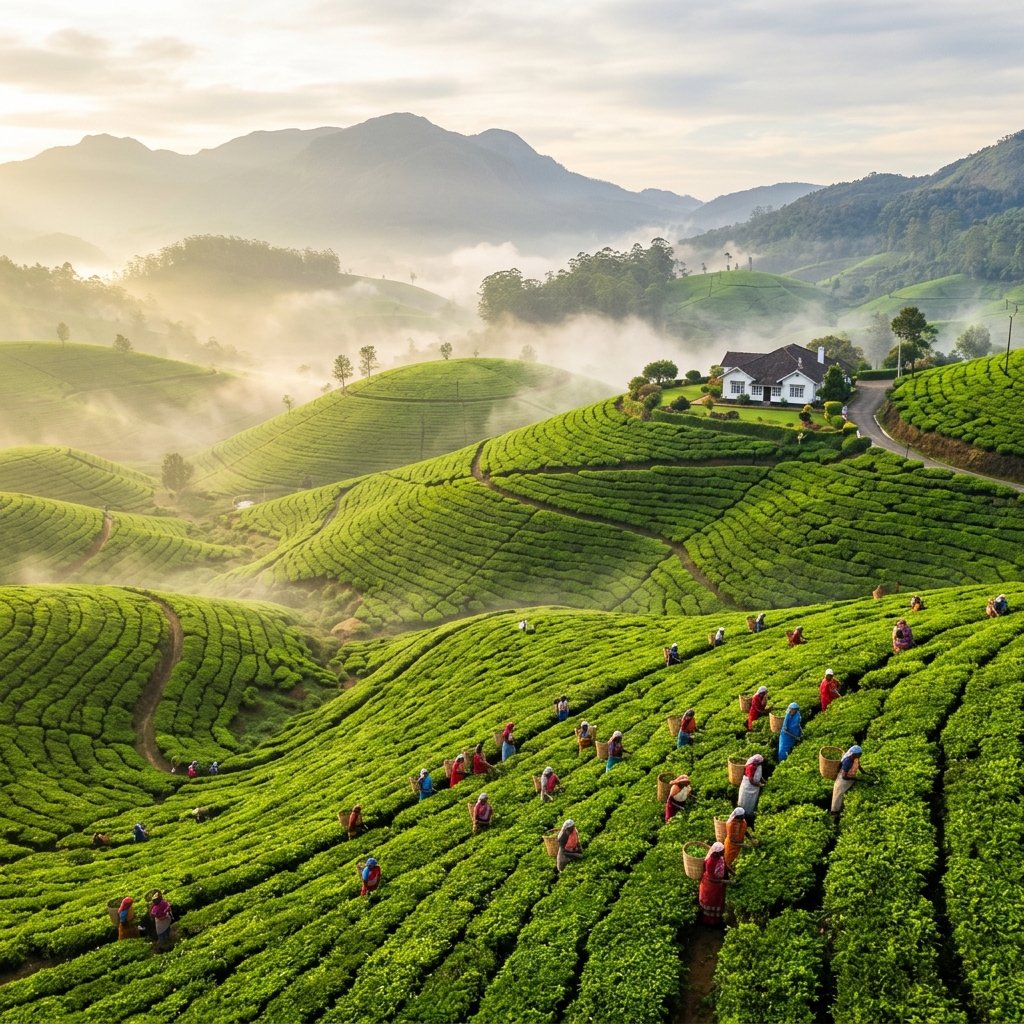
The spectacular cloud forests and rolling tea estates of Horton Plains, Knuckles, and Peak Wilderness — a refuge of rare endemic wildlife and misty highland vistas.
A sacred cave complex with 2,000-year-old cave murals spanning 2,100 square metres — Sri Lanka's largest and best-preserved cave temple, nestled within a dramatic granite outcrop.
A pristine wilderness of jagged peaks, hidden valleys and endemic biodiversity within the Central Highlands — a paradise for trekkers and nature lovers alike.
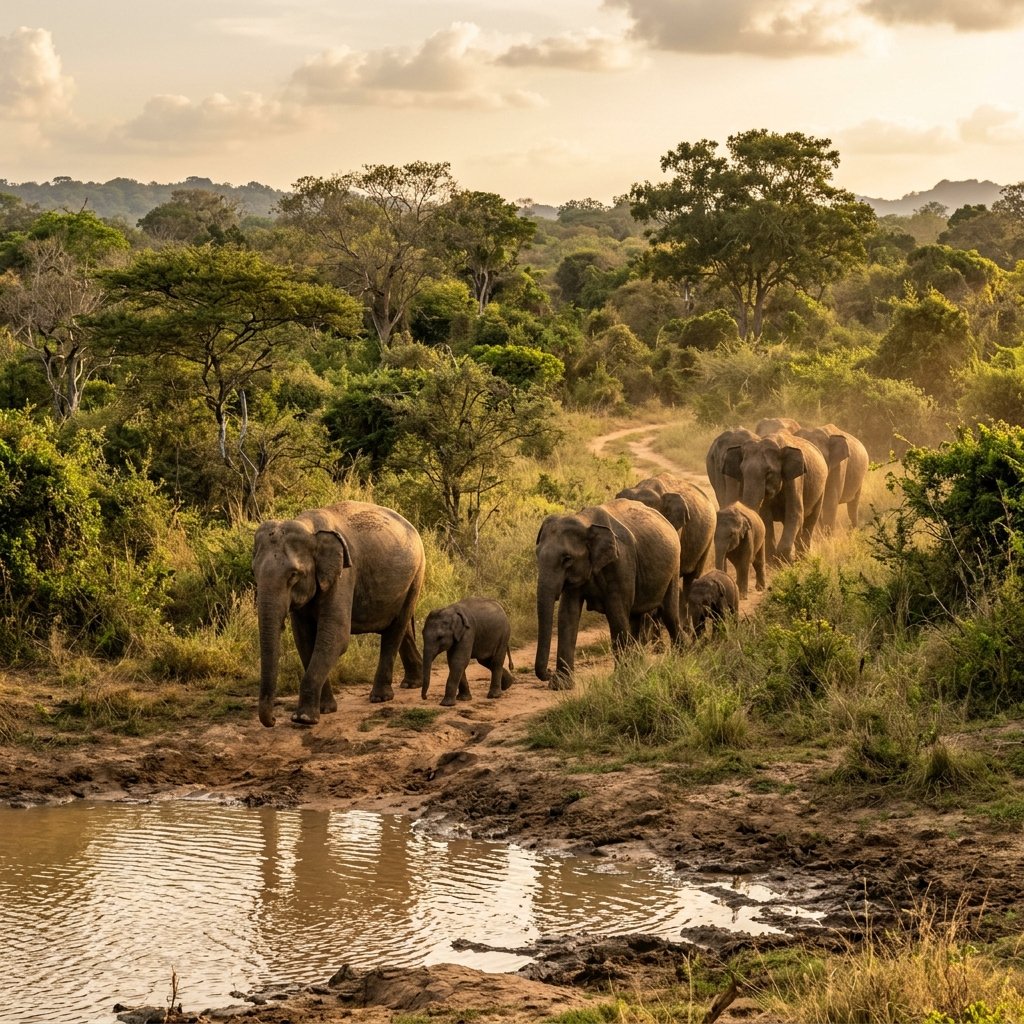
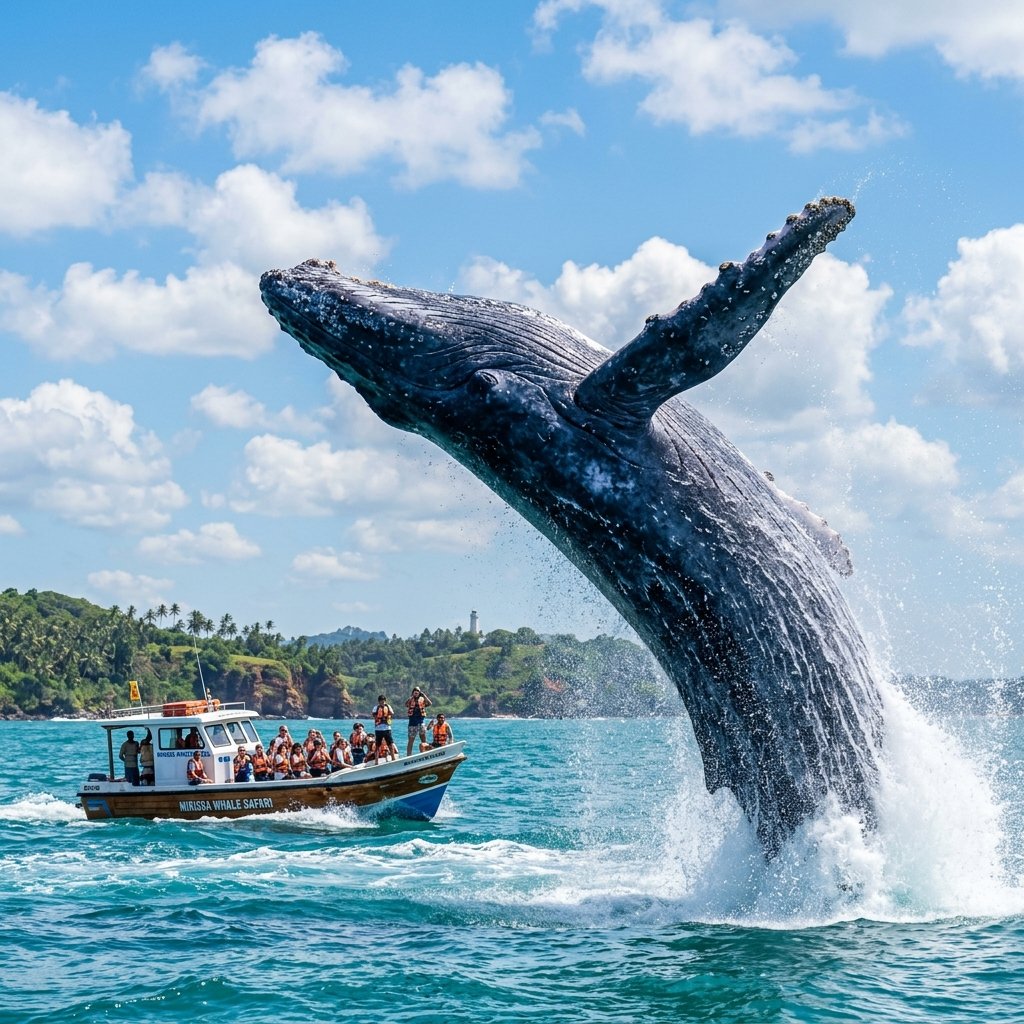
Sri Lanka packs more wildlife spectacle per square kilometre than almost any other country on earth. Yala National Park boasts the world's highest density of leopards in the wild. Minneriya hosts the Great Elephant Gathering — the largest assembly of Asian elephants on the planet. And the waters off Mirissa offer the world's finest blue whale watching, with sperm whales, spinner dolphins and flying fish as regular companions.
The island's unique position in the Indian Ocean, combined with its varied habitats — from mangroves to montane forests, from arid scrublands to tropical rainforests — has fostered an extraordinary diversity of species, many found nowhere else on earth.
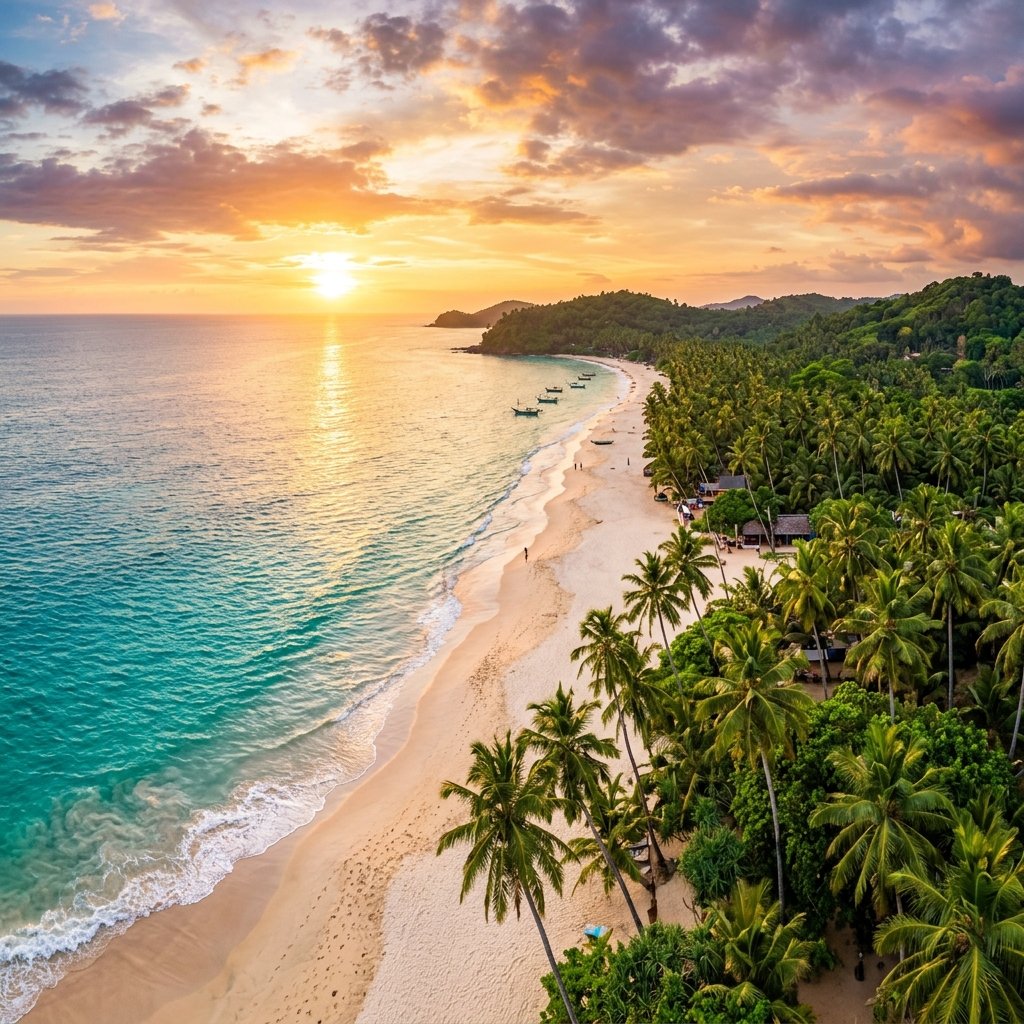
From powder-white beaches to emerald hill country — the island's landscapes are as varied as they are magnificent.
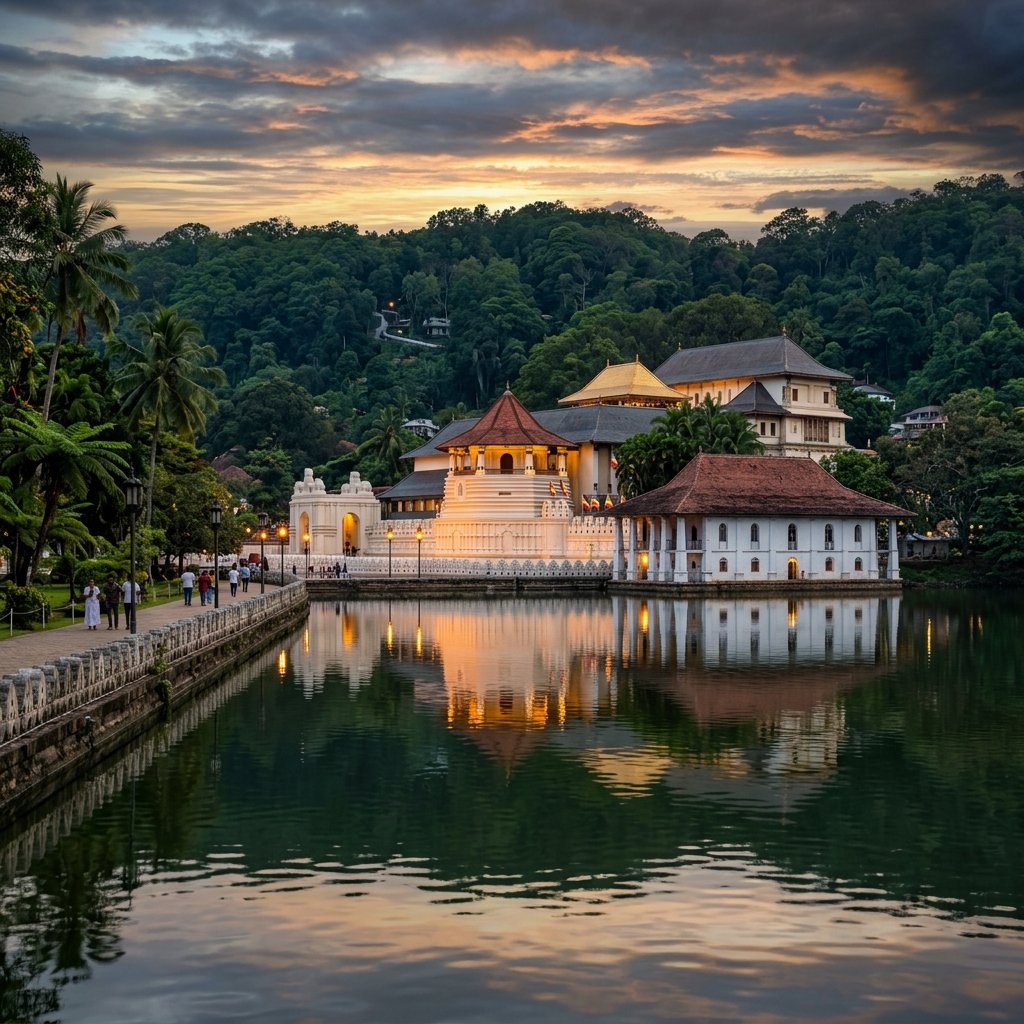
Sri Lanka's culture is a rich weave of Theravada Buddhism — brought to the island in the 3rd century BC — and the influences of centuries of trade and colonial rule. The sacred Kandy Esala Perahera festival, the living traditions of classical Kandyan dance, and the ancient art of batik and beeralu lacework represent a cultural vitality that remains deeply alive today.
Sri Lanka's cuisine is equally captivating. The island that gave the world cinnamon, pepper and cardamom infuses every meal with aromatic depth. From the humble comfort of a coconut milk rice and curry eaten on a banana leaf, to the street-food symphony of a sizzling kottu roti, and the delicate morning ritual of crispy egg hoppers — Sri Lankan food is a flavour journey unlike any other.
Sri Lanka is a year-round destination — but timing your visit to the right coast makes all the difference.
| Month | West & South Coast | East Coast | Hill Country | Cultural Triangle |
|---|---|---|---|---|
| January | ✓ Peak Season | ↓ Rainy | ~ Shoulder | ✓ Peak Season |
| February | ✓ Peak Season | ~ Shoulder | ~ Shoulder | ✓ Peak Season |
| March — April | ✓ Peak Season | ✓ Peak Season | ✓ Peak Season | ✓ Peak Season |
| May — June | ↓ Rainy | ✓ Peak Season | ~ Shoulder | ~ Shoulder |
| July — August | ↓ Rainy | ✓ Peak Season | ~ Shoulder | ~ Shoulder |
| September — October | ~ Shoulder | ✓ Peak Season | ~ Shoulder | ~ Shoulder |
| November — December | ✓ Peak Season | ↓ Rainy | ✓ Peak Season | ✓ Peak Season |
Sri Lanka experiences two monsoon seasons: the South-West monsoon (May–Sep) and the North-East monsoon (Oct–Feb). The island can always be visited — the good weather simply rotates around it.
Understanding the four main climate zones helps you plan the perfect trip to the right region at the right time.
The main tourist season for the western and southern coasts. Calm seas, sunny days and warm tropical evenings — perfect for beach holidays, whale watching and Galle Fort.
While the west turns rainy, the east coast (Trincomalee, Arugam Bay) comes alive with stunning dry sunny weather, pristine beaches and world-class surfing.
The highlands of Kandy, Nuwara Eliya and Ella are cool and pleasant throughout the year, with mists and occasional rain adding romantic atmosphere to the tea estates.
The ancient cities of Sigiriya, Polonnaruwa and Anuradhapura can be explored year-round, though the cooler dry season (Nov–Apr) is most comfortable for outdoor exploration.